
This Week’s Theme
Every legal team I spoke to this week had an AI policy. None of them could answer a simple question:
Every call I had this week; whether with law firm founders, consultants, tech lawyers, or practice admins; pointed to the same pattern:
Prove who used AI, on which matter, and who reviewed it.
That gap is where the real liability sits.
Regulators and insurers don’t care about guidelines. They care about evidence.
If you can’t show who used AI, for what purpose, and under what sign-off, you don’t have governance. You have exposure.
The 3 Laws of Legal AI Governance
1. Control
If anyone can use AI without permission or role clarity, you’re not “innovating”, you’re leaking privileged information.
2. Verify
If AI output lands in a client file without documented human review, it’s not “assistance”, it’s unauthorized practice.
3. Proof
If you can’t export who used what, on which matter, under which supervision, then nothing you say in your policy matters.
Across all conversations this week, from litigation boutiques to compliance teams, AI tools were already being used.
Almost none of that usage was traceable.
Legal AI in Action
🎬 The Hidden AI Risks Nobody Logs Yet
Four failure points beyond hallucinations.
🎬 The Legal AI Governance SOP in Action
A simple operating rhythm any legal team needs.
Red Flag of the Week
Variations of the same confession came up in every call:
“People are pasting client files into AI tools, and we have no record of where it goes.”
That isn’t innovation, but rather undocumented client data transfer with no audit trail. The sort of thing insurers drop coverage over.
What Legal AI Frontlines are Saying
- Evidence beats access
A license isn’t adoption unless you can prove repeated, supervised use.
- Policies ≠ defensibility
Insurers and regulators want proof, not promises.
- Auditability is the standard
If usage isn’t tied to matters and reviewers, it’s unfit for professional practice.
Looking Ahead
🎙 This Saturday at 2pm CET!
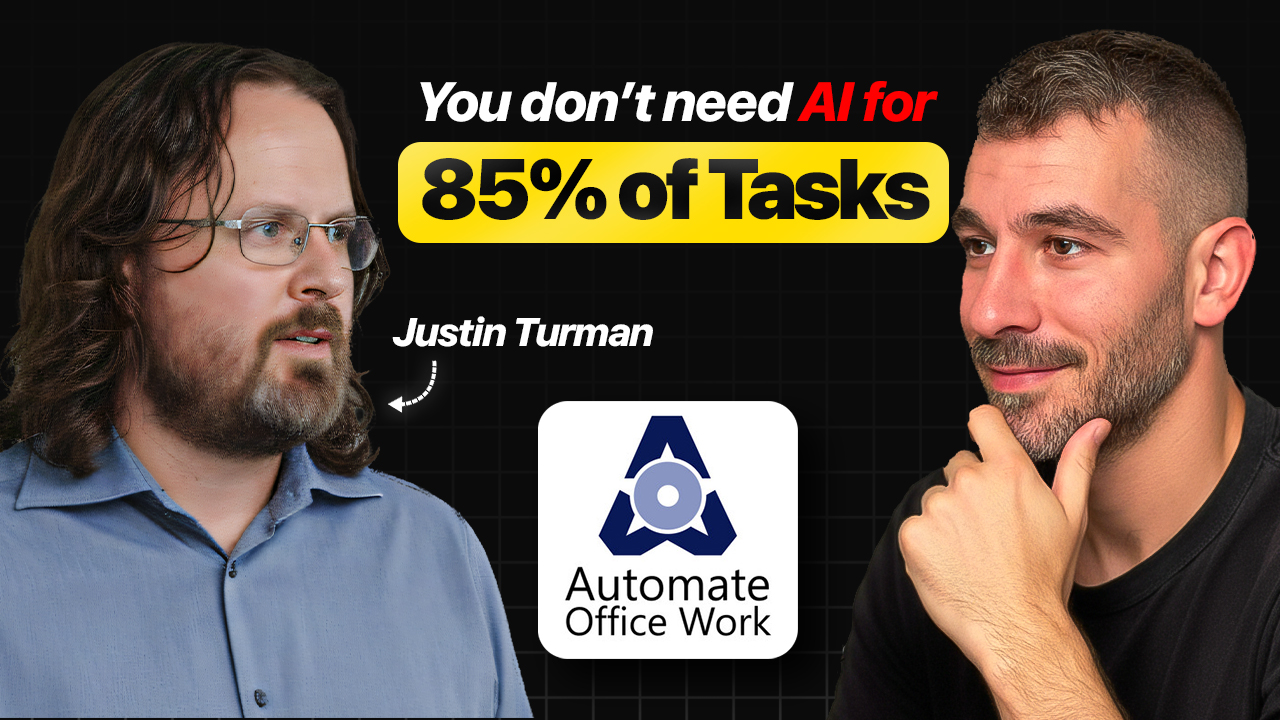
This week’s guest on Rok’s Legal AI Conversations is Justin Turman, host of Automate Office Work podcast and a lawyer turned in-house consultant.
Each edition of Legal AI Brief brings practical lessons from firms using AI safely.