Edition 16: When AI "works" but nothing gets easier for lawyers
Why legal AI creates friction before it adds value

Rok Popov Ledinski
Founder | MPL Legal Tech Advisors
Dec 25, 2025

MPL Legal Tech Advisors: The Legal AI Brief
Thursday, 25th December 2025 - 16th Edition
This Week's Theme
Most law firms now say their AI tools are "working".
And in a narrow sense, that's true.
Tasks complete, outputs appear, and bills still go out.
But underneath that surface, something else shows up first.
Not speed or leverage, but friction.
This week is about why AI adoption often increases effort before it reduces it, and why that isn't a failure of the technology, but of how firms decide where and how AI fits into their work.
Insight of the Week
The earliest signal of a healthy AI setup isn't faster output.
It's less coordination cost.
In firms I work with where AI is actually adding value, a few things happen quietly:
fewer handoffs need explanation
fewer reviews exist "just in case"
fewer tools touch the same data
fewer people ask who owns the output
In firms where AI is only working on paper, the opposite happens.
extra checks get layered on
manual steps replace automated ones
time disappears between systems
The work hasn't improved, it's just been redistributed.
Until a firm defines where friction is acceptable and where it isn't, AI will keep moving effort into places that are harder to see and harder to measure.
Legal AI in Action
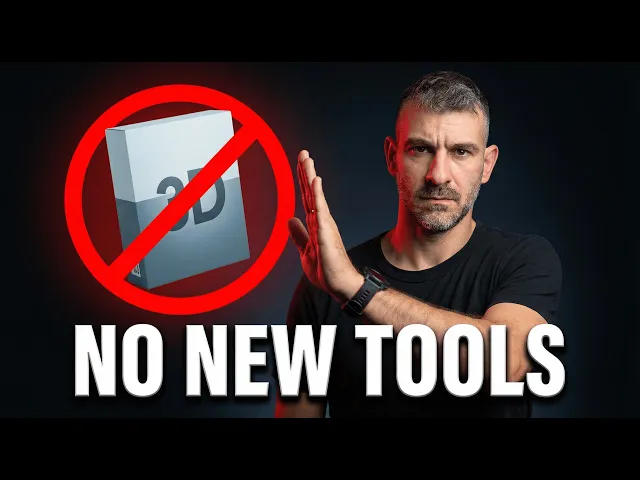
🎬 Building an AI-Ready Data Foundation (Without New Software)
Fix data structure before adding AI tools.
🎬 Your Law Firm’s Wasted Legal Data
Turn existing work into leverage.

Red Flag of the Week
When firms judge AI success by whether outputs look reasonable, instead of whether effort was removed from the system, they normalize hidden cost.
That's how tools get renewed while teams quietly work around them.
The risk is less bad AI than unmeasured drag becoming permanent.
What the Legal AI Frontlines Are Saying
The same comments came up repeatedly this week from attorneys, managing partners, and legal tech investors:
1. "The tool works, but everything around it slowed down."
2. "We added AI, then added more review to feel safe."
3. "No one owns the whole workflow anymore."
The reality of 2025 is that most teams aren't opposed to AI anymore.
They're reacting to the fact that no one paused and decided what should get easier, what must stay manual, and who carries responsibility when the answer isn't obvious.
Looking Ahead
🎙 This Saturday at 2pm CET!
This week’s guest on Rok’s Legal AI Conversations is Lindsay Kim Chung, former Director of Global Compliance & Ethics Investigations at Bristol Myers Squibb, and CEO and founder of TensorCase. We talk about why investigations don't fit chatbot style tools, why workflow design matters more than prompting, and what real control and explainability look like when reputations are on the line.
 Workflow design matters more than AI |
Each edition of Legal AI Brief brings practical lessons from firms using AI safely.
Rok Popov Ledinski
Founder | MPL Legal Tech Advisors
Share