
Edition 12: When AI economics break, legal contracts break with them
Your Legal AI Vendor’s Balance Sheet Is Your Risk

Rok Popov Ledinski
Founder | MPL Legal Tech Advisors
Nov 27, 2025

MPL Legal Tech Advisors: The Legal AI Brief
Thursday, 27th November 2025 - 12th Edition
This Week's Theme
Legal AI buying is happening in a fog: aggressive vendor promises, partner anxiety, and a race to "not be left behind".
But the biggest near-term risk isn’t AI hallucinations. It’s vendor solvency and the economics underneath the AI hype.
If your firm signs a multi-year AI deal today, you’re not just buying a tool.You’re betting on the financial survival of the infrastructure that runs it.
This week's edition breaks down why that matters now.
Why And How The AI Bubble Started to Crack
Three signals are converging:
1. Oracle’s OpenAI bet is already underwater
Oracle announced a $300bn OpenAI infrastructure deal. Since then, it has shed about $315bn in market value.
Investors are reacting to a debt-financed buildout tied to OpenAI’s future revenue that doesn’t exist yet.
Oracle’s own plan targets $166bn cloud revenue by 2030, with OpenAI projected to become the dominant driver from 2027.
Meanwhile, net debt is climbing and cash flow is expected to stay negative for years.
2. The AGI narrative is buying time, not certainty
OpenAI’s leadership has pushed "AGI soon" for fundraising and urgency, while the term itself is now publicly dismissed as "not useful".
The narrative justifies losses at a scale no normal company could defend.
OpenAI is projected to burn roughly $115bn through 2029, while still operating at multi-billion annual losses.
3. Market exposure is unusually concentrated
40% of this year's US economic growth and 80% of stock gains are heavily tied to seven AI-centric companies that are not yet profitable.
At the same time, Wall Street is still writing $40-$75bn datacenter loans, like 2008 never happened.
Legal AI in Action
🎬 How to Scope AI Work Before You Start
The 3 decisions every firm must lock in before talking to any vendor.
🎬 The AI Risk Legal Teams Aren’t Testing For
Can your AI be tricked? Here’s how to check.
Red Flag of the Week
Your zero-retention clause is only as durable as the vendor’s runway.
If the AI provider or its infrastructure partner needs refinancing, restructures debt, or gets acquired, privacy terms and service levels get reopened, even if your contract says otherwise.
That risk sits outside the model. It sits in capital markets.
What The Legal AI Frontlines Are Saying
These patterns are showing up across firms and in-house teams:
1. Procurement is treating AI like software, not like critical infrastructure
Most diligence stops at features and security questionnaires. Few teams stress test the vendor’s ability to stay solvent through the contract term.
2. Multi-year commitments are being signed into a 2029 cliff
A lot of AI capex and debt maturities cluster around 2028-2029. The same window sits underneath many vendor "we’ll be profitable by then" plans.
3. Firms are mixing strategy with panic
The loudest voices say "adopt or die". The cynics say "it’s all smoke". Neither helps a managing partner decide what to sign this quarter.
Looking Ahead
🎙 This Saturday at 2pm CET!
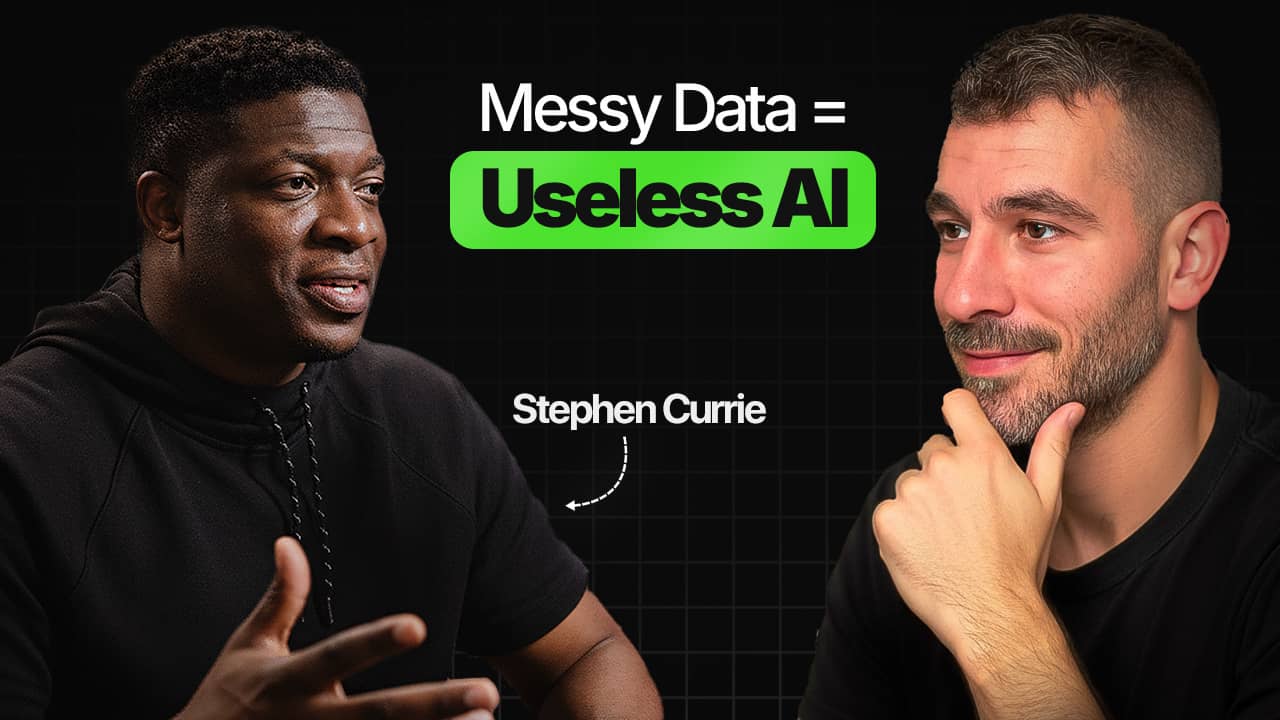
This week's guest at Rok's Legal AI Conversations is Stephen Currie, Vancouver lawyer and long-time e-discovery and legal tech practitioner. We talk about data chaos in law firms, document quality, GenAI risks, and why private/local AI setups are becoming unavoidable.
 Garbage in, garbage out! |
Each edition of Legal AI Brief brings practical lessons from firms using AI safely.
Rok Popov Ledinski
Founder | MPL Legal Tech Advisors
Share